Personalized Introduction
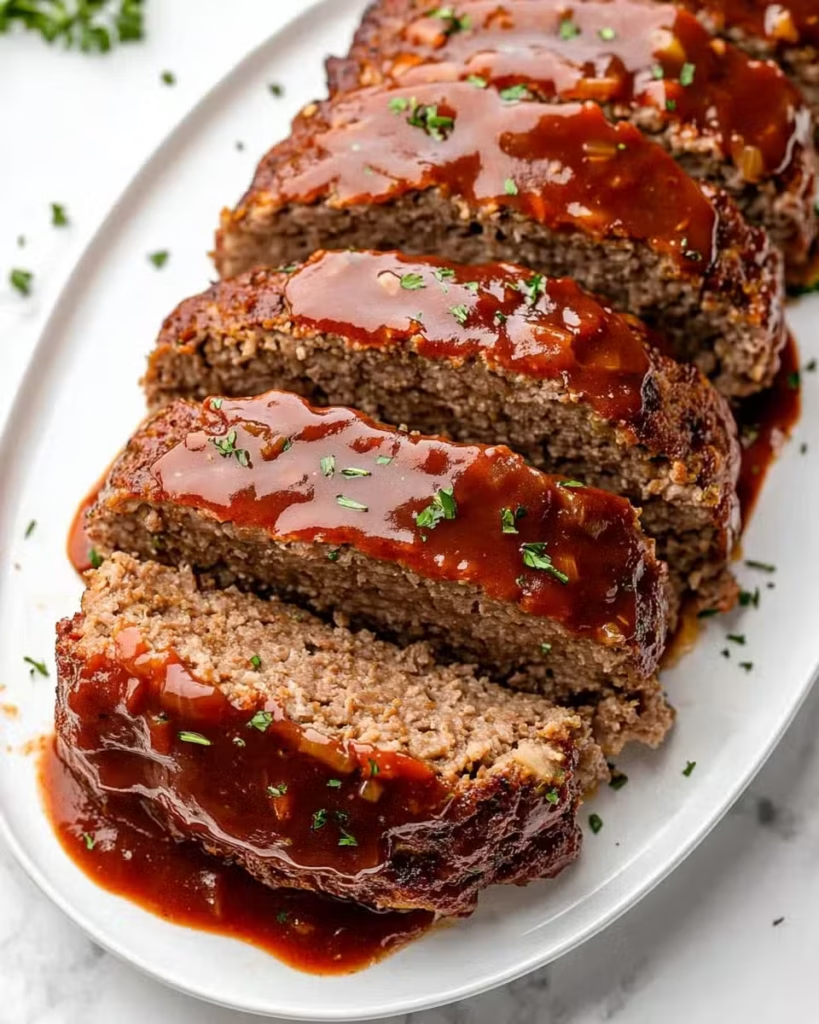
There are some dinners that immediately make you think of home, and for me, a classic meatloaf is right at the top of that list. A good diner-style meatloaf should be tender in the middle, beautifully browned around the edges, and covered with a sweet and tangy glaze that caramelizes as it bakes.
I love this recipe because it takes simple ingredients and turns them into something that feels incredibly comforting. Ground beef, breadcrumbs, onion, a few seasonings, and a flavorful glaze are all you need to create a dinner that can feed the whole family.
And let’s be honest: the leftovers might be even better. A thick slice of cold meatloaf tucked into a sandwich with a little extra glaze is one of those simple pleasures that makes cooking a larger batch completely worthwhile.
If you have ever made meatloaf that turned out dry, crumbly, or bland, don’t worry. I am going to walk you through the little details that help keep this version juicy and flavorful from the first slice to the last.
Recipe Origin & Story
Meatloaf has a long history as a practical comfort food because it transforms inexpensive ground meat into a hearty family meal. Different cultures have their own versions, using various meats, seasonings, grains, vegetables, and sauces.
The American-style meatloaf became especially popular as a home-cooked dinner because it was affordable, filling, and easy to customize. The classic combination of ground beef, breadcrumbs, onion, and a tomato-based glaze eventually became a familiar favorite on family dinner tables and in classic diners.
This diner-style version focuses on that nostalgic flavor: juicy seasoned beef, a tender interior, caramelized edges, and a glossy ketchup-based topping with just enough sweetness and tang.
Ingredient Spotlight
- Main Star: Ground beef gives this meatloaf its rich, savory flavor. A blend with moderate fat content helps keep the finished loaf moist.
- Secret Boost: Worcestershire sauce adds a deep savory flavor that works beautifully with beef and makes the meatloaf taste more developed without making the ingredient list complicated.
- Quality Tips: Use fresh ground beef, finely dice the onion, and choose fresh breadcrumbs or good-quality dried breadcrumbs. Avoid aggressively packing the meat mixture because that can make the meatloaf dense.
Nutritional Benefits
Ground beef is a good source of protein, iron, zinc, and vitamin B12. Eggs provide additional protein and help bind the ingredients together.
Adding onion and other vegetables can contribute vitamins, minerals, and flavor while helping create a more balanced meal.
Because meatloaf can be rich, I like serving it with vegetables such as green beans, broccoli, peas, or a simple side salad. Mashed potatoes also make a classic pairing when you want the full comfort-food experience.
Adaptable Variations
- Dietary Swaps: Ground turkey or chicken can replace some or all of the beef. Use gluten-free breadcrumbs if needed.
- Flavor Twists: Add minced garlic, smoked paprika, fresh parsley, grated Parmesan, sautéed mushrooms, or a little Dijon mustard to the mixture.
- Seasonal Spins: Add finely grated zucchini in summer, sautéed mushrooms in fall, or finely chopped carrots and celery during the colder months.
Cooking Science Explained
The biggest secret to tender meatloaf is not overmixing. When ground meat is mixed too aggressively, the proteins become tightly packed, resulting in a firm, dense texture. Mix just until everything is combined.
The breadcrumbs also serve an important purpose. They absorb moisture from the meat mixture and help distribute that moisture throughout the loaf as it cooks.
Finally, letting the meatloaf rest before slicing allows the juices to redistribute. If you cut into it immediately, some of those flavorful juices can run onto the cutting board instead of staying in the meat.
Easy, Step-by-Step Recipe
Ingredients
- 2 pounds ground beef, preferably 80/20 or 85/15
- 1 cup breadcrumbs
- 1 medium yellow onion, finely diced
- 2 large eggs
- 1/2 cup milk
- 1/4 cup ketchup
- 2 tablespoons Worcestershire sauce
- 2 cloves garlic, minced
- 1 tablespoon Dijon mustard
- 1 teaspoon salt
- 1/2 teaspoon black pepper
- 1 teaspoon smoked paprika
- 2 tablespoons chopped fresh parsley, optional
For the glaze:
- 1/2 cup ketchup
- 2 tablespoons brown sugar
- 1 tablespoon apple cider vinegar
- 1 tablespoon Worcestershire sauce
- 1 teaspoon Dijon mustard
Instructions
- Preheat your oven to 375°F (190°C).
- Line a baking sheet or loaf pan with parchment paper for easier cleanup.
- In a small bowl, combine the breadcrumbs and milk. Let them sit for approximately 5 minutes so the breadcrumbs can absorb the liquid.
- Meanwhile, finely dice the onion and mince the garlic.
- In a large mixing bowl, add the ground beef, soaked breadcrumbs, onion, eggs, ketchup, Worcestershire sauce, garlic, Dijon mustard, salt, pepper, smoked paprika, and parsley.
- Using clean hands or a large spoon, gently mix the ingredients until everything is evenly distributed. Do not overmix.
- Shape the mixture into a loaf on your prepared baking sheet, or gently press it into a loaf pan.
- In a small bowl, whisk together the ketchup, brown sugar, apple cider vinegar, Worcestershire sauce, and Dijon mustard.
- Spread approximately half of the glaze over the top of the meatloaf.
- Bake for approximately 40 minutes.
- Remove the meatloaf carefully and spread the remaining glaze over the top.
- Return it to the oven and continue baking for approximately 20–30 minutes, or until the center reaches at least 160°F (71°C).
- Remove the meatloaf from the oven and allow it to rest for approximately 10–15 minutes.
- Slice with a sharp knife and serve warm with your favorite side dishes.
Practical & Valuable Tips
- Storage: Store leftover meatloaf in an airtight container in the refrigerator for up to 3–4 days.
- Serving Ideas: Pair it with mashed potatoes, roasted vegetables, green beans, corn, peas, or a crisp garden salad.
- Substitutions: Replace breadcrumbs with crushed crackers, quick oats, or gluten-free breadcrumbs if needed.
If you have time, sauté the diced onion in a little oil before adding it to the meat mixture. This softens the onion and gives it a sweeter, deeper flavor.
For a very tender meatloaf, avoid pressing the mixture down too firmly. Shape it gently instead.
If you are unsure whether your meatloaf is done, use an instant-read thermometer. Ground beef should reach a safe internal temperature before serving.
Do not skip the resting period. It may be tempting to slice immediately, especially when the glaze smells amazing, but resting helps the loaf hold together and keeps it juicier.
Make-Ahead & Batch-Cooking
Meatloaf is one of my favorite make-ahead dinners because you can prepare the mixture earlier in the day, shape it, cover it, and refrigerate it until you are ready to bake.
You can also prepare the meatloaf mixture and freeze it before cooking. Shape it into a loaf, wrap it tightly, and place it in a freezer-safe container or bag.
When ready to cook, thaw it safely in the refrigerator before baking. Add the glaze just before it goes into the oven.
Cooked meatloaf also freezes well. Slice it into individual portions, wrap the slices, and freeze them separately. This makes it easy to grab exactly what you need for a quick dinner or lunch.
For reheating, use the oven or microwave. Adding a small spoonful of extra glaze before reheating can help keep the slices moist and flavorful.
Eco-Friendly Kitchen Hacks
- Use leftover vegetables such as carrots, zucchini, mushrooms, or bell peppers by finely chopping them and adding them to the mixture.
- Turn leftover meatloaf into sandwiches instead of throwing it away.
- Freeze individual slices so you can enjoy leftovers without reheating the entire loaf.
- Use leftover mashed potatoes and vegetables as easy side dishes for the next day’s meatloaf.
- Line your baking sheet with parchment to reduce cleanup and water use.
Pairing Suggestions
- Beverages: Iced tea, sparkling water with lemon, lemonade, or a classic glass of milk.
- Sides & Sauces: Creamy mashed potatoes, roasted carrots, green beans, buttered corn, macaroni and cheese, or a simple garden salad.
If you want that classic diner experience, serve a thick slice of meatloaf alongside creamy mashed potatoes and green beans. Add a little extra glaze over the meatloaf and you have an incredibly comforting plate.
Frequently Asked Questions
- How do I keep meatloaf from becoming dry?
Use ground beef with some fat, add enough moisture through the milk and eggs, avoid overmixing, and do not overcook it. - Should I cook meatloaf covered or uncovered?
This recipe is designed to bake uncovered so the exterior can brown and the glaze can caramelize. If the top becomes too dark, loosely cover it with foil toward the end. - Why does my meatloaf fall apart?
The mixture may not have enough binding ingredients, or it may have been sliced before resting. Eggs and breadcrumbs help hold the loaf together. - Can I make meatloaf without breadcrumbs?
Yes. Crushed crackers, quick oats, or suitable gluten-free breadcrumbs can work as alternatives. - Can I use ground turkey instead of beef?
Yes. Ground turkey works well, although it is leaner, so you may want to add a little extra moisture to prevent the meatloaf from drying out. - How long does leftover meatloaf last?
Properly refrigerated leftovers are generally best enjoyed within 3–4 days.
Call to Action
If you are craving old-fashioned comfort food, give this Diner-Style Meatloaf a spot on your dinner table. It is hearty, juicy, easy to customize, and covered in a sweet-and-tangy glaze that makes every slice extra delicious.
Serve it with mashed potatoes and vegetables for a classic dinner, or save some leftovers for sandwiches the next day. Save the recipe to Pinterest and share it with someone who loves a good homemade meatloaf.
Bonus: Your Kitchen Notes
This is one of those recipes where small changes can create a completely different personality. Once you have the basic method down, you can start experimenting with your favorite flavors.
For a smoky meatloaf, add smoked paprika and a little barbecue sauce to the glaze. You can also replace some of the ketchup with barbecue sauce for a deeper flavor.
For a cheesy meatloaf, add shredded cheddar or mozzarella to the center. Spread half of the meat mixture into your pan, add a layer of cheese, then cover it completely with the remaining meat mixture before baking.
If you love garlic, add another clove or two to the mixture. Roasted garlic can also give the meatloaf a softer, sweeter garlic flavor.
For extra vegetables, finely grate zucchini or carrot and squeeze out excess moisture before adding it to the beef. This can add moisture and nutrients without making the vegetables too obvious for picky eaters.
One trick I particularly like is sautéing the onion before mixing it into the meat. Raw onion works perfectly well, but cooked onion becomes soft and sweet, blending beautifully into the meatloaf.
If you want a slightly spicy glaze, add a few drops of hot sauce or a pinch of cayenne pepper. A little chili powder can also give the topping a warm, smoky character.
When shaping the loaf, avoid making it extremely tall and narrow. A slightly wider loaf tends to cook more evenly and gives you those wonderful browned edges around the sides.
You can also use a loaf pan, but shaping the meatloaf on a baking sheet allows more of the exterior to brown. If using a loaf pan, consider placing it on a rack or carefully draining excess grease during cooking.
Another useful idea is to make mini meatloaves. Divide the mixture into smaller portions and shape individual loaves. They cook faster and are especially fun for family dinners.
Mini meatloaves are also excellent for meal prep because each portion is already separated. You can serve them with different sauces or sides throughout the week.
And then there are the leftovers. A leftover meatloaf sandwich is almost a recipe by itself. Take a thick slice of cold or reheated meatloaf, place it between two slices of toasted bread, add a little extra glaze, and finish with lettuce, pickles, or caramelized onions.
You can also crumble leftover meatloaf into pasta sauce, use it as a filling for stuffed peppers, or add it to a grilled cheese sandwich.
That is why I always recommend making enough for leftovers. Meatloaf is one of those meals that gives you more than one dinner.
The most important thing to remember is that you do not need fancy ingredients to make a great meatloaf. Good ground beef, balanced seasoning, enough moisture, gentle mixing, and a flavorful glaze are enough to create something truly satisfying.
So take your time mixing, keep the loaf tender, let the glaze caramelize, and give it those few important minutes to rest before slicing.
Then grab a fork, add a scoop of mashed potatoes, and enjoy the kind of classic comfort food that never really goes out of style.